HOWDY!
I'm Meg, a local market researcher who has lived in Austin, Texas, USA for 10 years.
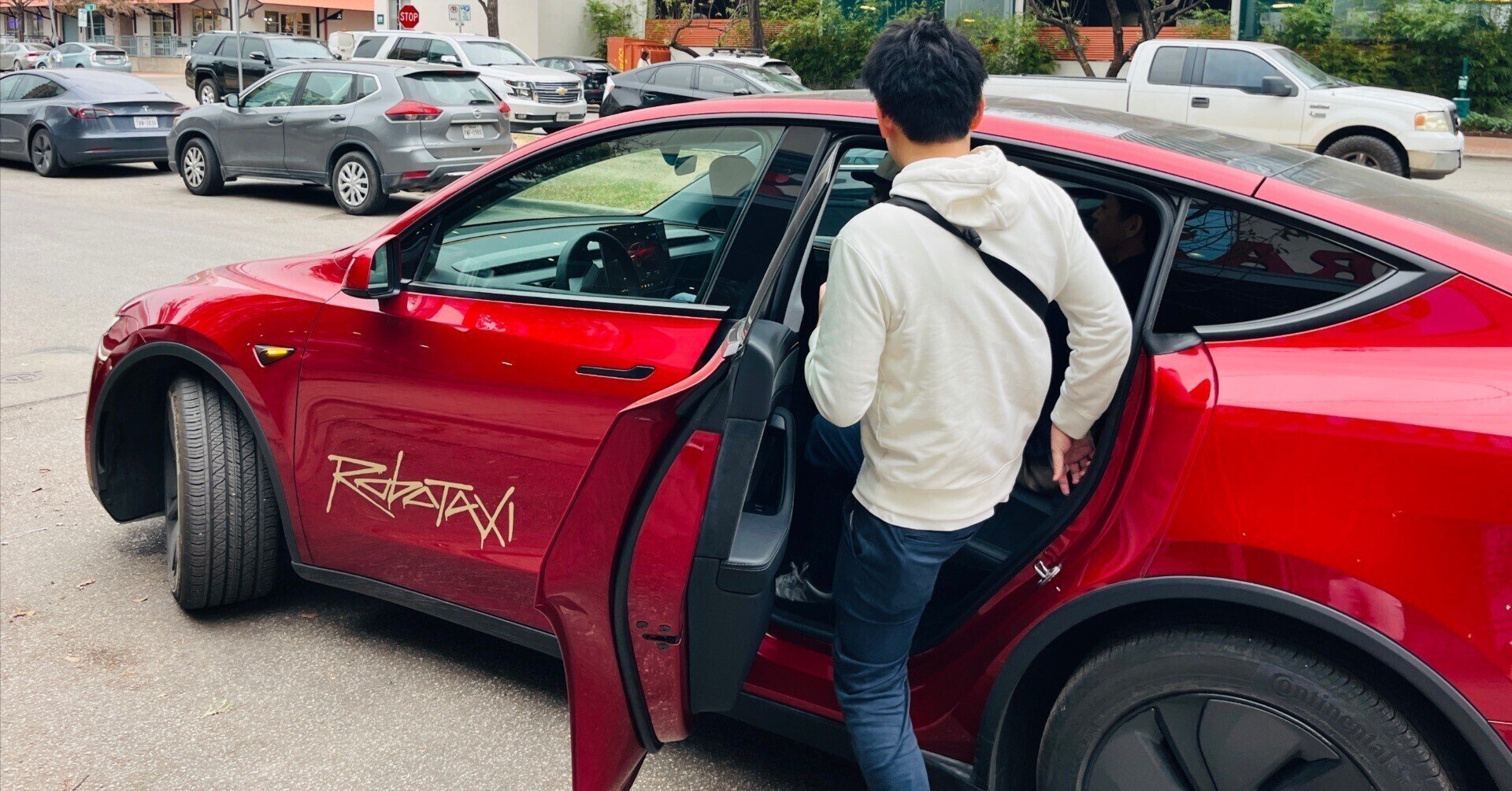
The state capital, Austin, is now one of the most popular cities in the United States.“The main battleground of autonomous driving technology”is. When I was walking downtown, I saw Google'sWaymo, TeslaRobotaxi, owned by AmazonZoox, local originAvrideI see them running frequently.
There's a reason this city has become a major battleground for self-driving technology.The climate is stable, the road structure is relatively simple, and there is a high concentration of tech talent.Austin has become an ideal testing ground for companies.
When I actually rode on both Google Waymo and Tesla Robotaxi, which provide ride services, I was able to see more than just a difference in performance, there was a difference in the philosophy and maturity of the two companies.
1 Unmanned Waymo, manned Robotaxis
Waymo is a completely driverless self-driving taxi. Both the driver and passenger seats were empty, and there were only passengers in the car.
The dispatch is complete and the vehicle arrives in front of you.
"Huh? How do I open the door?"
The Uber app on your smartphone will actually guide you through the process. (Waymo rides are available in Austin via the Uber app)
You'll be a little nervous at first, but that anxiety will disappear within a few minutes of running. The voice and built-in large screen guide you to your destination using a map. already"Assuming there are no people"I have the impression that the system is complete.
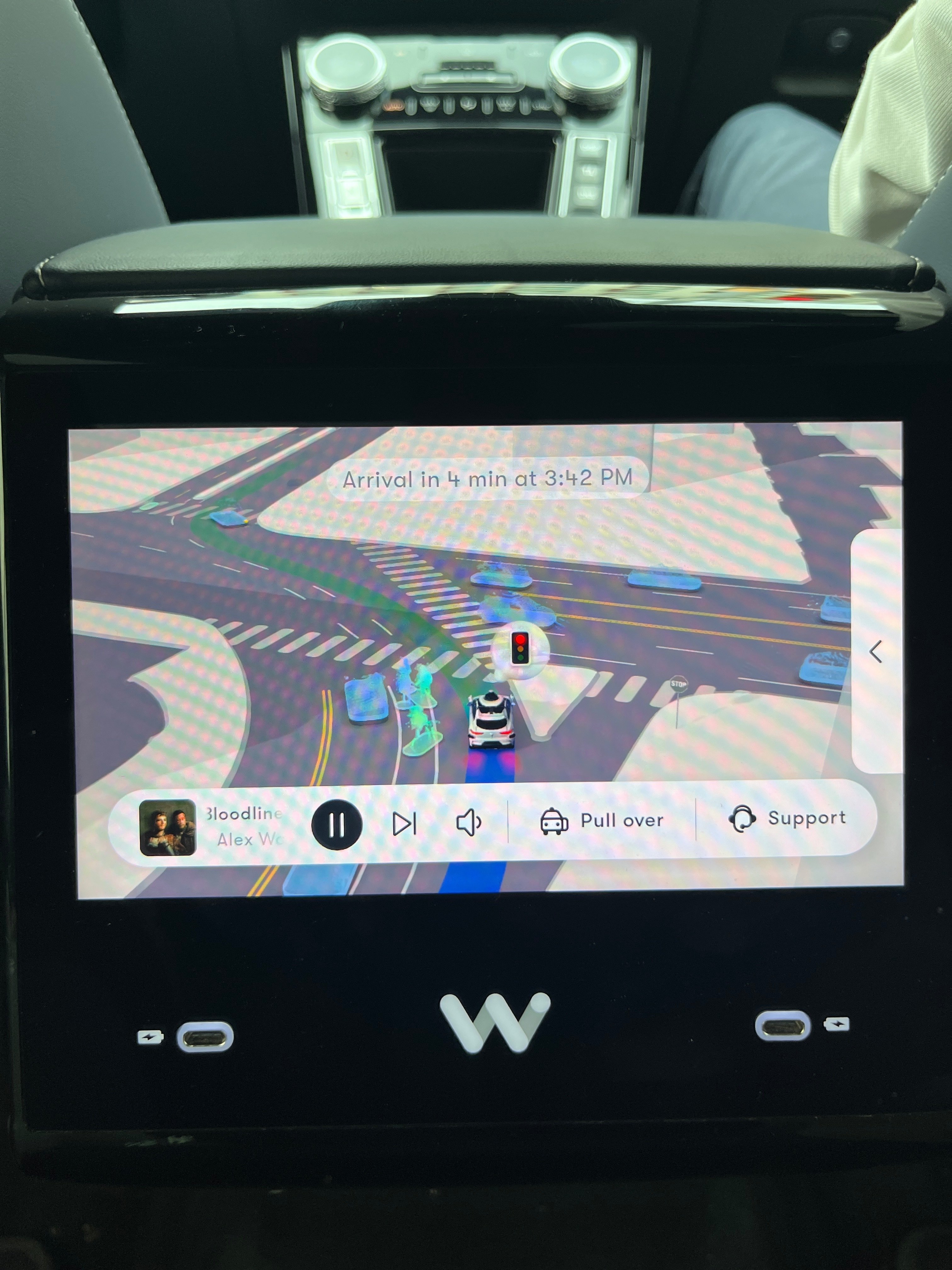
Waymo's electronic screen. It detects surrounding cars and people and displays them in light blue or green on the screen.
On the other hand, Tesla Robotaxi has a supervisor in the passenger seat as of January 2025. Although they do not operate the steering wheel, they are equipped to respond immediately in the event of an emergency.
2. Traveling speed and acceleration feeling
In my experience, Waymo is clearly faster. Even downtown, the speed naturally increases to around 35 miles per hour (approximately 55 kilometers per hour), and the acceleration from the start is quite similar to that of manned operation. It's natural to follow the flow of surrounding traffic, and it's a way of driving that doesn't "stand out from the surrounding cars."
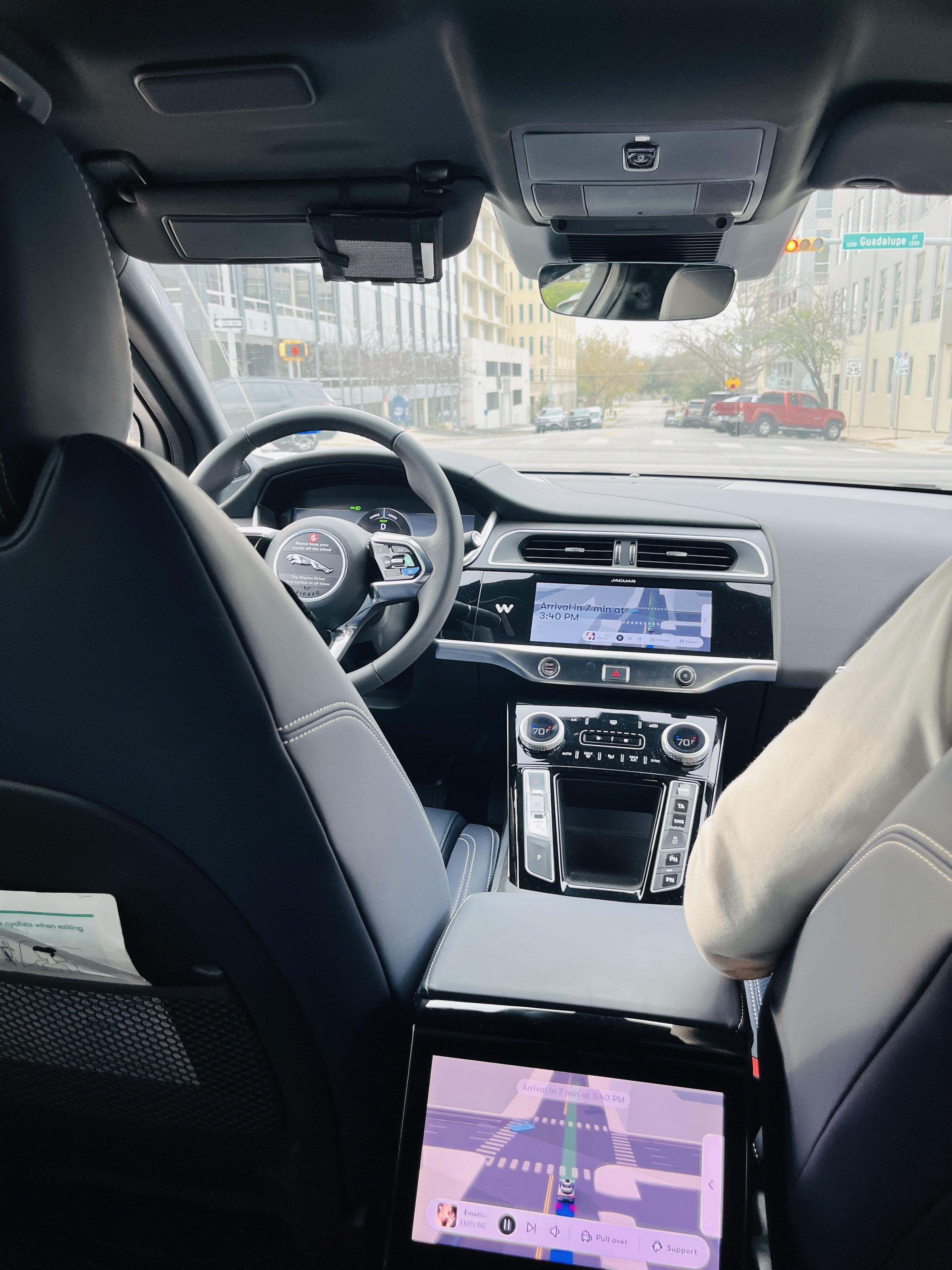
From inside a Waymo car that temporarily stops at an intersection with a red light. There is a button to stop the car in case of an emergency.
On the other hand, Robotaxi is a little more modest overall. I got the impression that there was a large safety margin, and the speed felt a little slow even on the same road. I feel like Waymo is in the practical phase, and Robotaxis is still evolving.
3 Difference between entertainment and UX design
Waymo allows you to freely choose the music you want to listen to on the in-car screen, and often includes voice guidance. There are instructions such as "Next turn right" and "You have arrived at your destination", making the UX less uneasy even when unattended.
On the other hand, Robotaxi basically only provides on-screen subtitles and no audio guidance. In terms of entertainment, after you get off the train, if you press "Yes" on the screen where you can choose whether or not to have a tip in the app,"Just Kidding!"There was a sense of humor that was displayed.
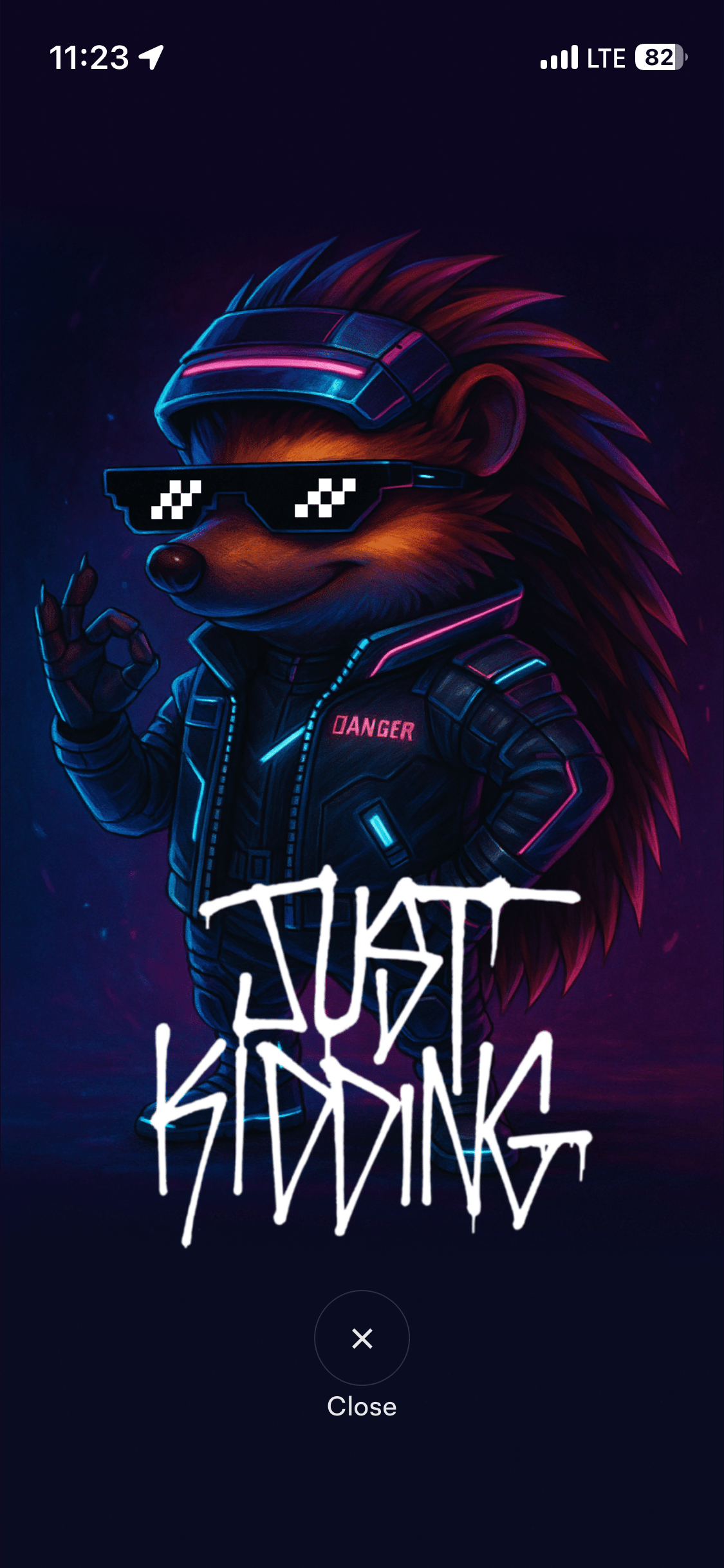
Tesla Robotaxi's humorous app screen. Tipping is not required when using self-driving taxi services.
One of the major differences between self-driving taxis and regular taxis for service users is the difference in the presence or absence of a tip. Tipping is not required for self-driving taxis.
4 Number of service vehicles and area
Another difference that is directly related to the ease of the experience is the number of serviced vehicles and the area. Waymo operates a fleet of around 100 vehicles in Austin, and waiting times around downtown are short, with rides usually dispatched within a few minutes. Even during peak hours around 5pm on weekdays, I was able to get a ride with a waiting time of about 15 minutes. Waymo vehicles are often seen when walking around town.
As for the service area, as of January 2025, it covers a wide area extending north and south across downtown.
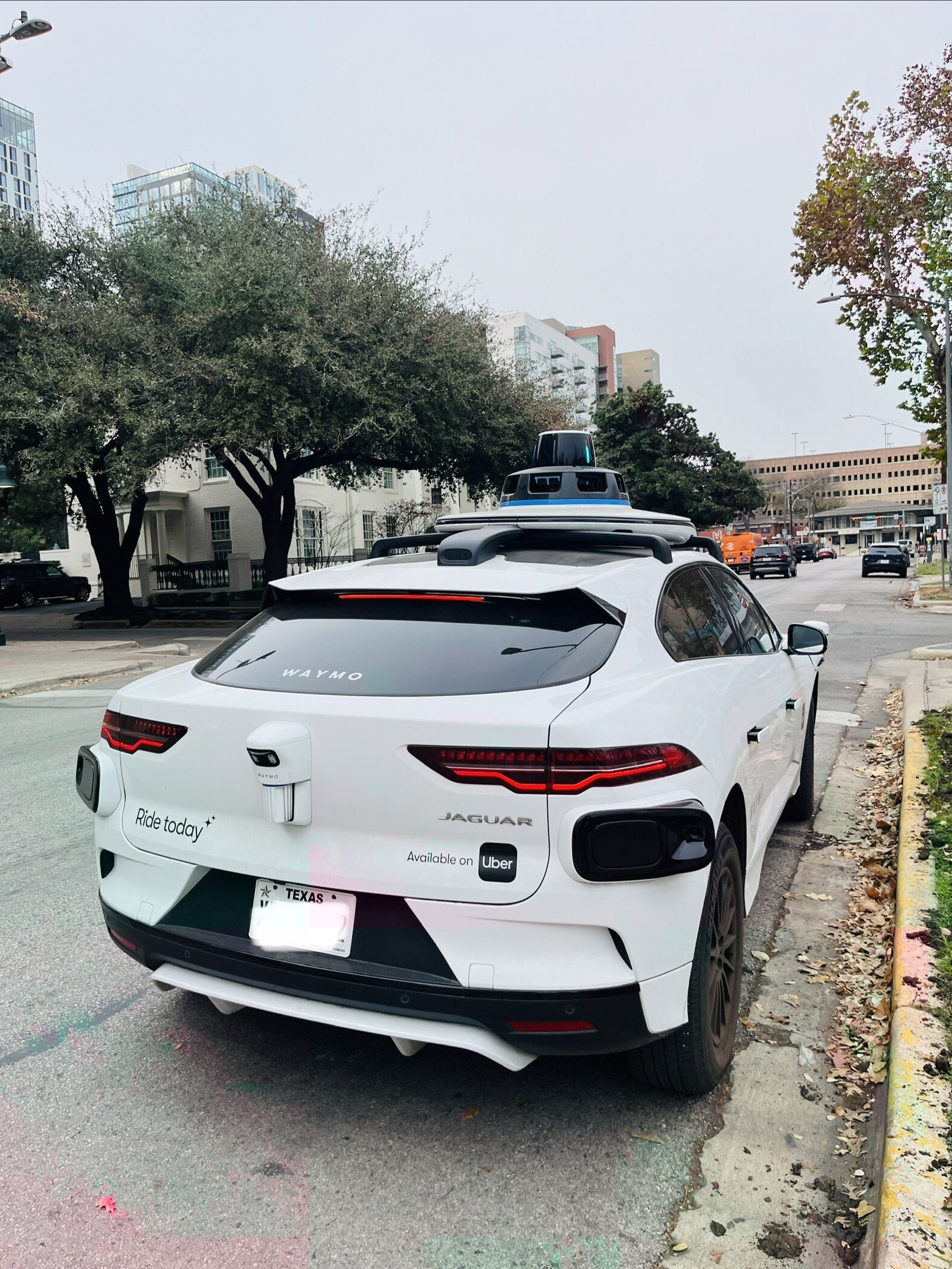
Waymo heads to the next location after getting off. Boarding/disembarking locations are programmed and predetermined locations
On the other hand, Tesla Robotaxi is a small-scale deployment of around a few dozen vehicles, and the number of operating vehicles is quite limited depending on the time of day. During peak hours around 5pm on weekdays, waiting times were over 30 minutes. When you actually try to use it, there are many cases where you find that there are no cars nearby at the moment.
As of January 2025, Robotaxi is providing services mainly in downtown.
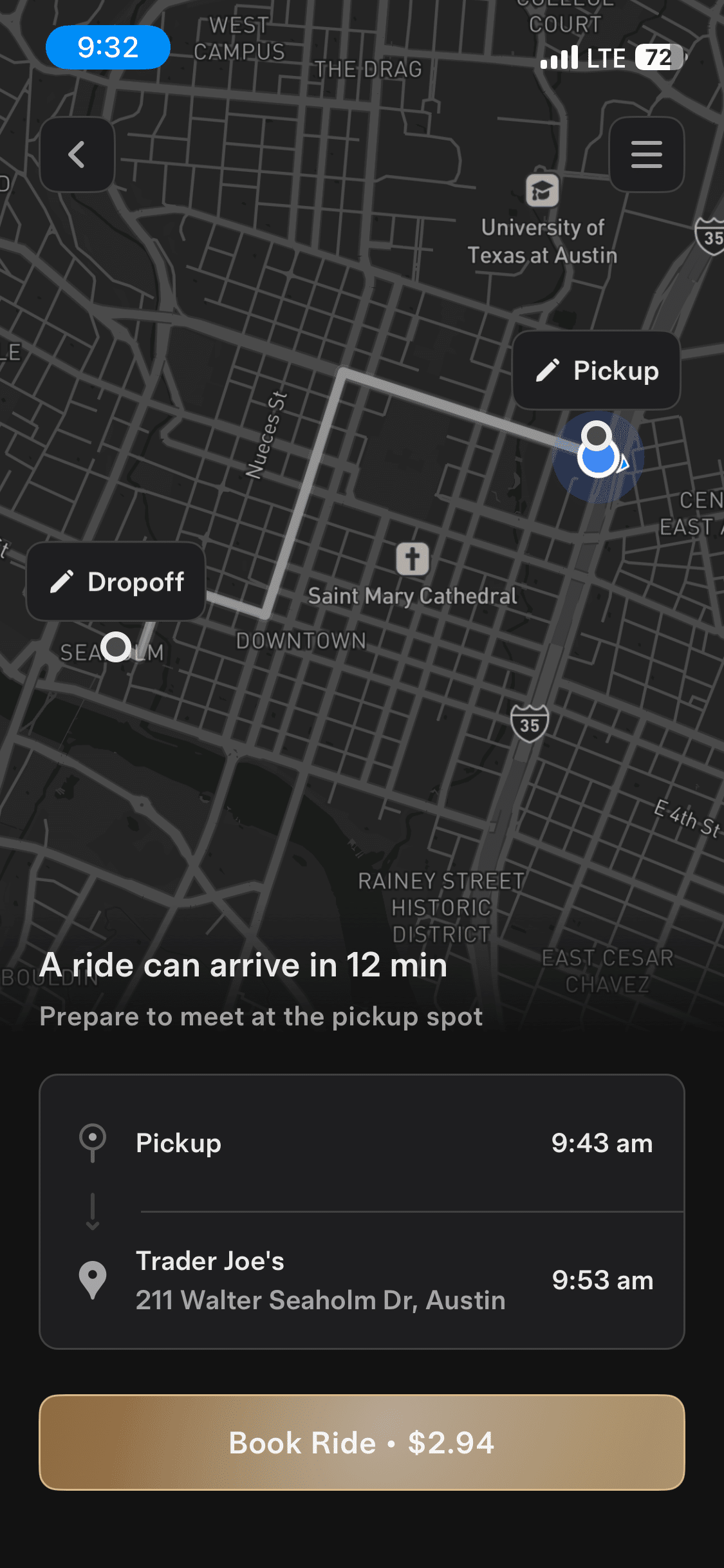
Tesla Robotaxi ride reservation screen. Riding prices are cheaper compared to Waymo
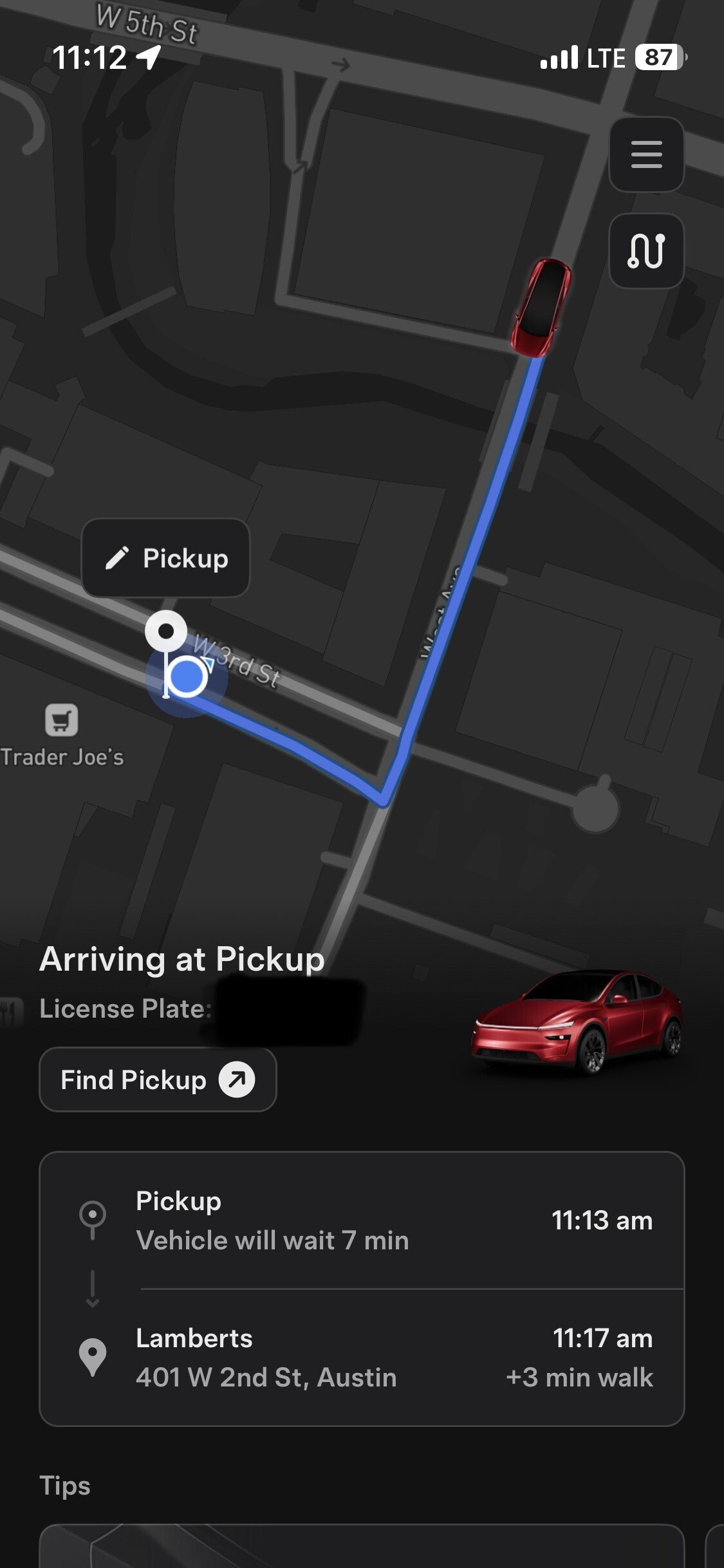
Tesla Robotaxi app's ride waiting screen. The vehicle that was dispatched was a Tesla Model Y.
Local media has also reported the start of Tesla Robotaxi's unmanned driving service.
At the moment, in terms of ride services, it feels like Waymo is one step ahead in terms of completeness, speed, and number of vehicles, with Robotaxis following.
About Pathway Connect
Based in Austin, Texas, we conduct American market research and local guide services. Our strength is in providing real-time research and trend information tailored to local needs.
In addition to the experience of riding in a Waymo or Tesla self-driving taxi, we can also prepare a customized plan just for you based on your wishes such as where you want to go and what you want to eat. Please feel free to contact us!