HOWDY!
I'm Meg, a local guide living in Austin, Texas — now in my 10th year here.
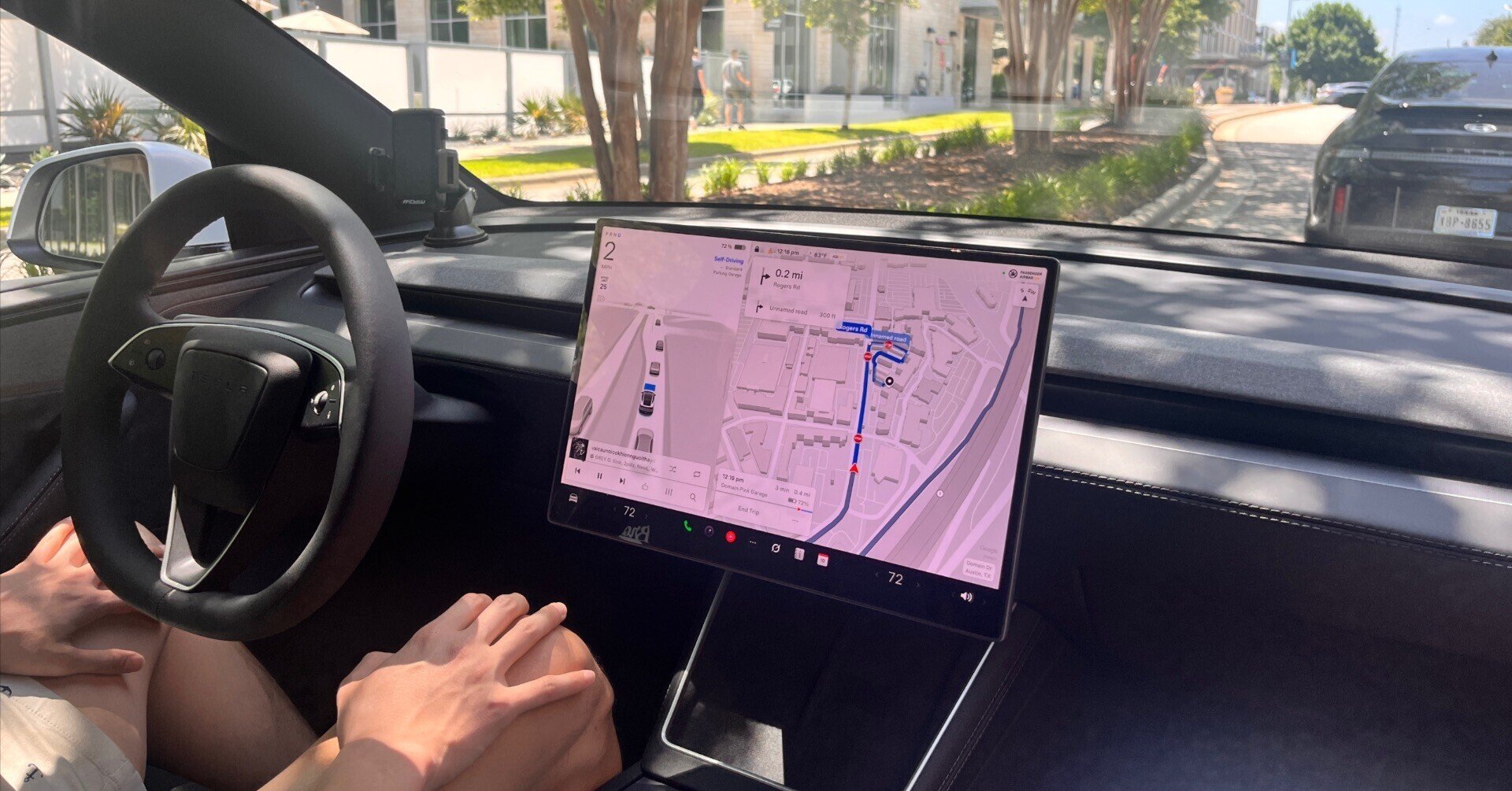
Recently, I took a round-trip road trip from Austin to Houston — about 170 miles (roughly 270 km) each way — using Tesla's FSD (Full Self-Driving) feature.
FSD, which drives you automatically to the destination you set in the navigation, can be used across the US.
It was my first time using self-driving not on familiar roads near home, but in unfamiliar places including highways.
So how is FSD really? Did it change the driving experience?
Here's a summary of what I noticed from actually trying it.
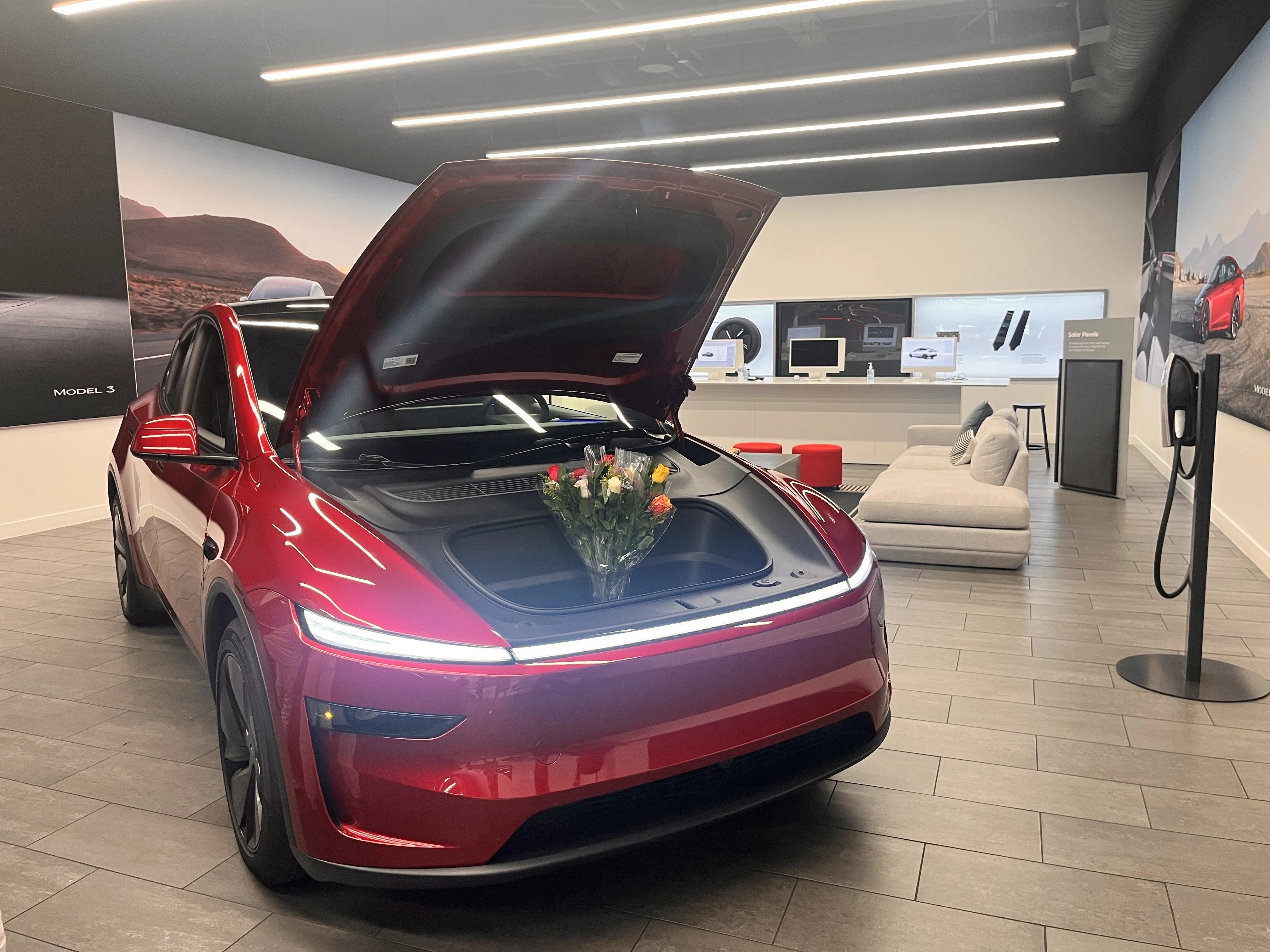
We drove a 2026 Tesla Model Y Premium
1. What Is Tesla FSD?
FSD (Full Self-Driving) is a driver-assistance system in which the car recognizes its surroundings on highways and local roads and automatically accelerates, decelerates, changes lanes, and makes turns.
Despite the name "Self-Driving," it is not fully autonomous — the driver must constantly supervise from the driver's seat. Still, when you actually use it, it feels quite close to a "future mobility experience."
Texas in particular is a great match for FSD.
The roads are wide, highways stretch on for long distances, and traffic signals are relatively simple.
Austin is home to "Gigafactory Texas," Tesla's massive production hub and global headquarters, and it's an EV city where you see Teslas everywhere.
Since 2025, ahead of the rest of the country, Tesla's autonomous ride-hailing service Robotaxi has been operating, centered on downtown.
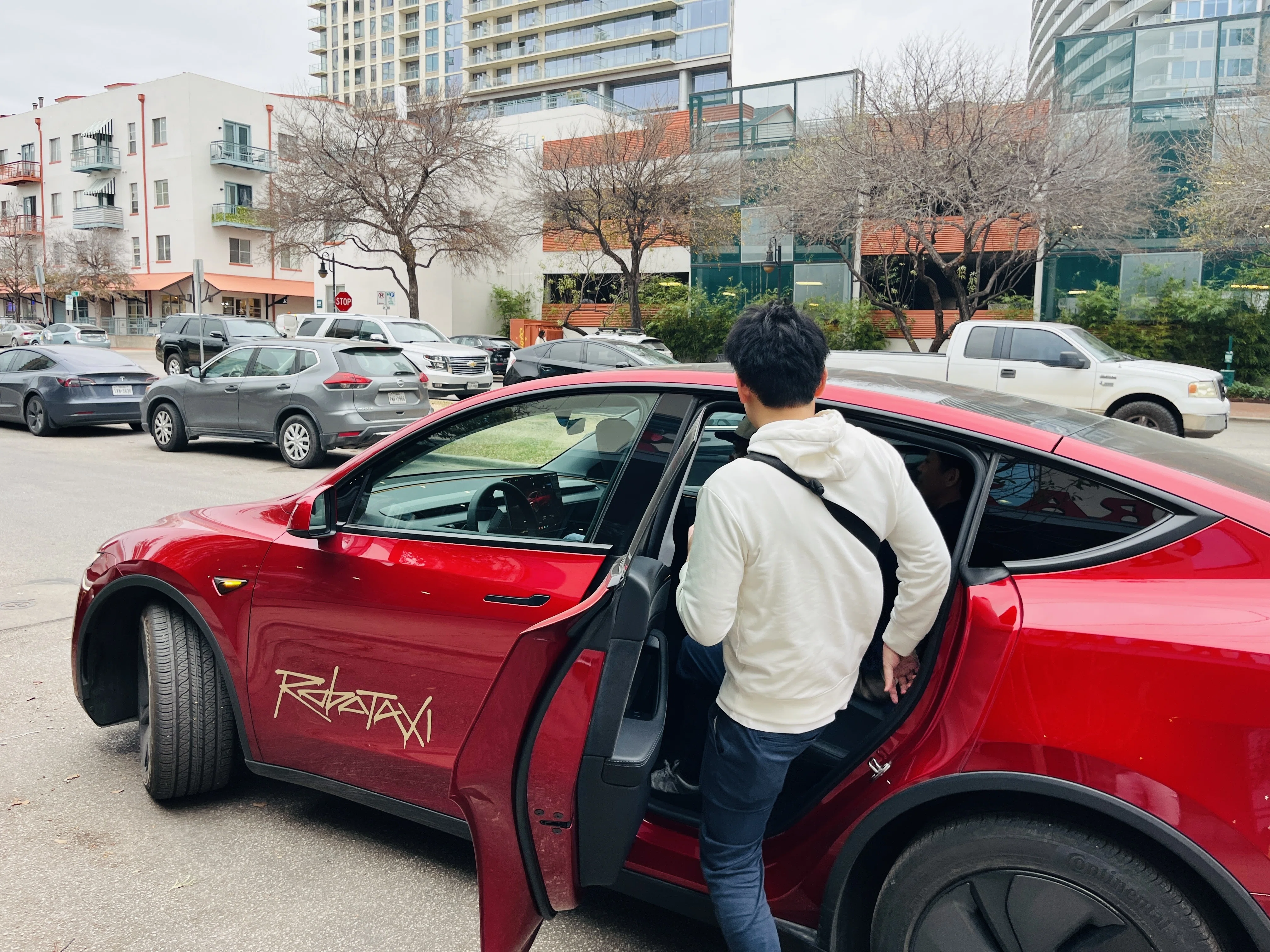
Tesla's self-driving taxi "Robotaxi." Google's Waymo also operates a self-driving taxi service
2. The Road Trip
This time, it was a round trip from the state capital, Austin, to Houston — about 170 miles (roughly 270 km) each way.
The route headed south along straight, very Texan highways, and the weather kept changing between sunny, cloudy, and rainy, so it was easy to experience FSD's characteristics.
When you enter your destination in the navigation at departure, it shows not only the estimated arrival time but also the "estimated battery remaining at arrival."
It visualizes the "Will I have enough charge?" worry that often comes with long-distance EV travel.
This time, the battery was at 13% after about 170 miles of driving.
We had charged it to 100% the night before departure.
There's a gap between the official range of 327 miles and the real-world distance, and I learned firsthand that it varies considerably depending on highway speeds, air conditioning, and weather. I had expected more battery left on arrival, so it was a bit nerve-wracking.
3. The "Ease" Is Overwhelming
The first thing I noticed using FSD was that "the fatigue of long-distance travel is greatly reduced."
You don't have to keep your foot on the accelerator!
Not needing to do this basic part of driving makes a big difference.
It's especially well suited to environments like Texas, where straight roads go on and on.
On stretches with few cars around, it steadily covers distance at a constant speed. This was more comfortable than I had imagined.
The integration with navigation is also very smooth.
Exit changes and lane changes feel natural, and it feels like the car is making decisions like "turn right here next" or "move to the left lane next" ahead of time.
FSD lets you choose a driving profile, and we selected "Standard." Even so, when a car slightly slower than the speed limit was in front of us, it would change lanes — a stress-free driving experience.
As for battery management, the estimated charge at arrival updates in real time, making it easy to understand the situation — a big reassurance for EV beginners.
It also shows charging stations you can stop at along the way, and even calculates how long you need to charge to reach your destination, so you can predict your arrival time. That's very helpful.
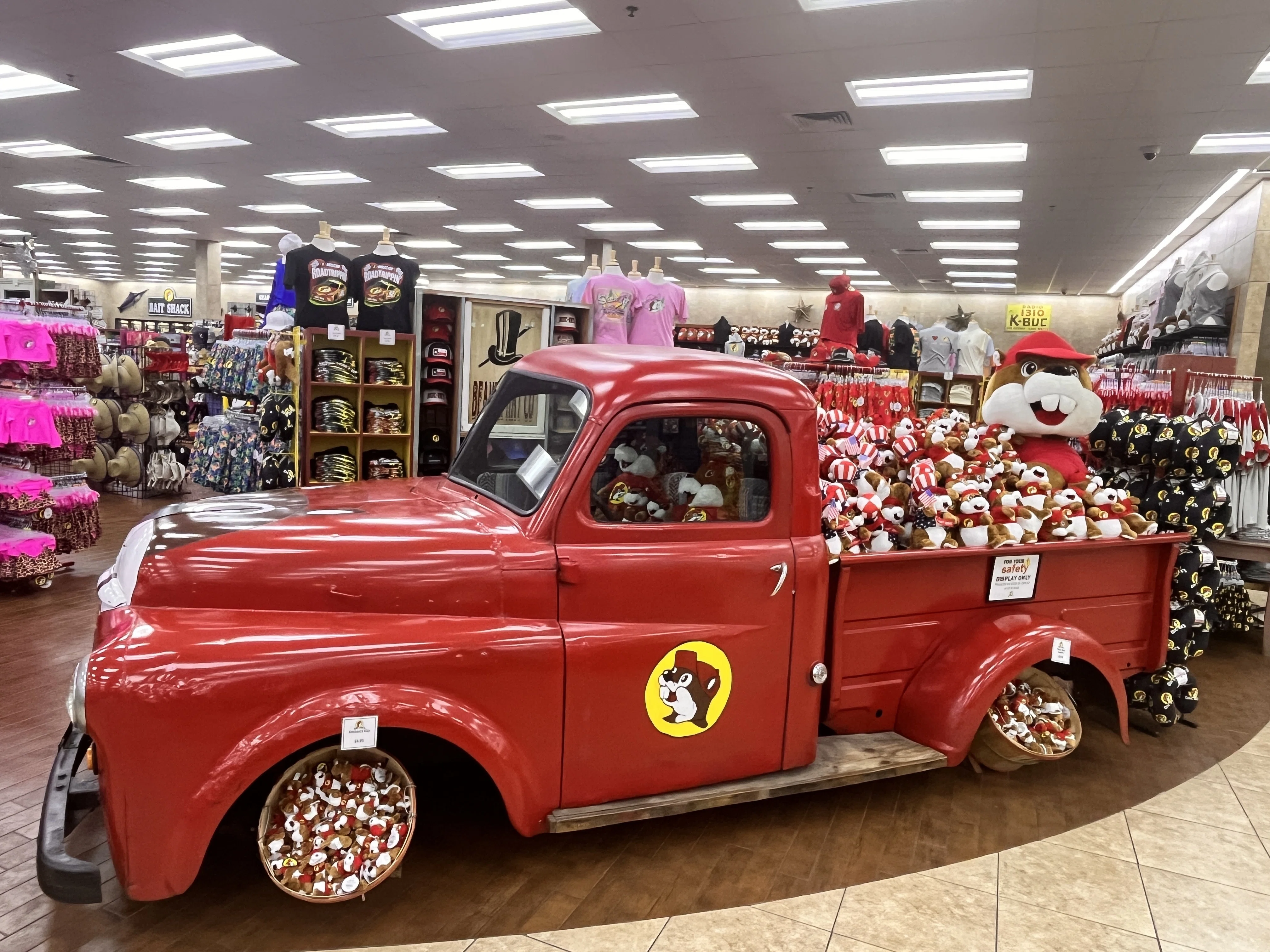
We stopped at a Buc-ee's EV fast-charging station. Charging to 80% took just under 20 minutes
When it started raining along the way, the wipers turned on automatically.
Even in small details like this, it felt like the car was looking at its surroundings and making decisions.
What stood out in terms of safety was the driver monitoring feature.
If you look away for a little too long, the screen flashes and a warning sound plays.
It's not a "car you can leave completely on its own" — at this point, it's a system that works together with humans.
It's also a great fit for family trips.
While the kids enjoy games and videos on the rear-seat screen, the front-seat driver only has to supervise the self-driving, reducing stress.
It was a different experience from the usual pattern where kids get bored on long drives and parents end up exhausted.
4. On the Other Hand, There Are Moments When Human Assistance Is Needed
As mentioned above, FSD is not fully autonomous driving, and the driver must always supervise from the driver's seat.
And of course, it's not perfect.
What concerned me most this time were sections where the road's side lines were unclear.
Suddenly, the car started shaking side to side, behaving as if it wasn't sure where to drive.
Because Tesla's self-driving technology is camera-based, I think it couldn't tell where the side lines were.
I immediately stepped on the brake and switched to manual driving.
In the US, there are many roads under construction and old roads with faded lines, and in those situations, I feel human judgment is still stronger.
It also responds very faithfully to speed limit changes.
This is common on American highways: just before entering a residential area, the speed limit drops sharply by around 20–30 mph.
This is good for safety, but there were moments when it felt like the car suddenly slowed down in the middle of the road. There were a few tense moments when I worried about being rear-ended.
Where a human would slow down in step with the flow of traffic, FSD seems to react straightforwardly based on signs.
And, as is true of EVs in general, I also experienced the gap from the official range.
Even though Tesla's official figure is 327 miles, it varies considerably in reality depending on highway speeds, air conditioning, weather, and driving mode.
Because Texas highways have high speed limits, power consumption may have been faster than I expected.
Rather than assuming you can drive exactly as far as the numbers say, it's better to plan with a margin.
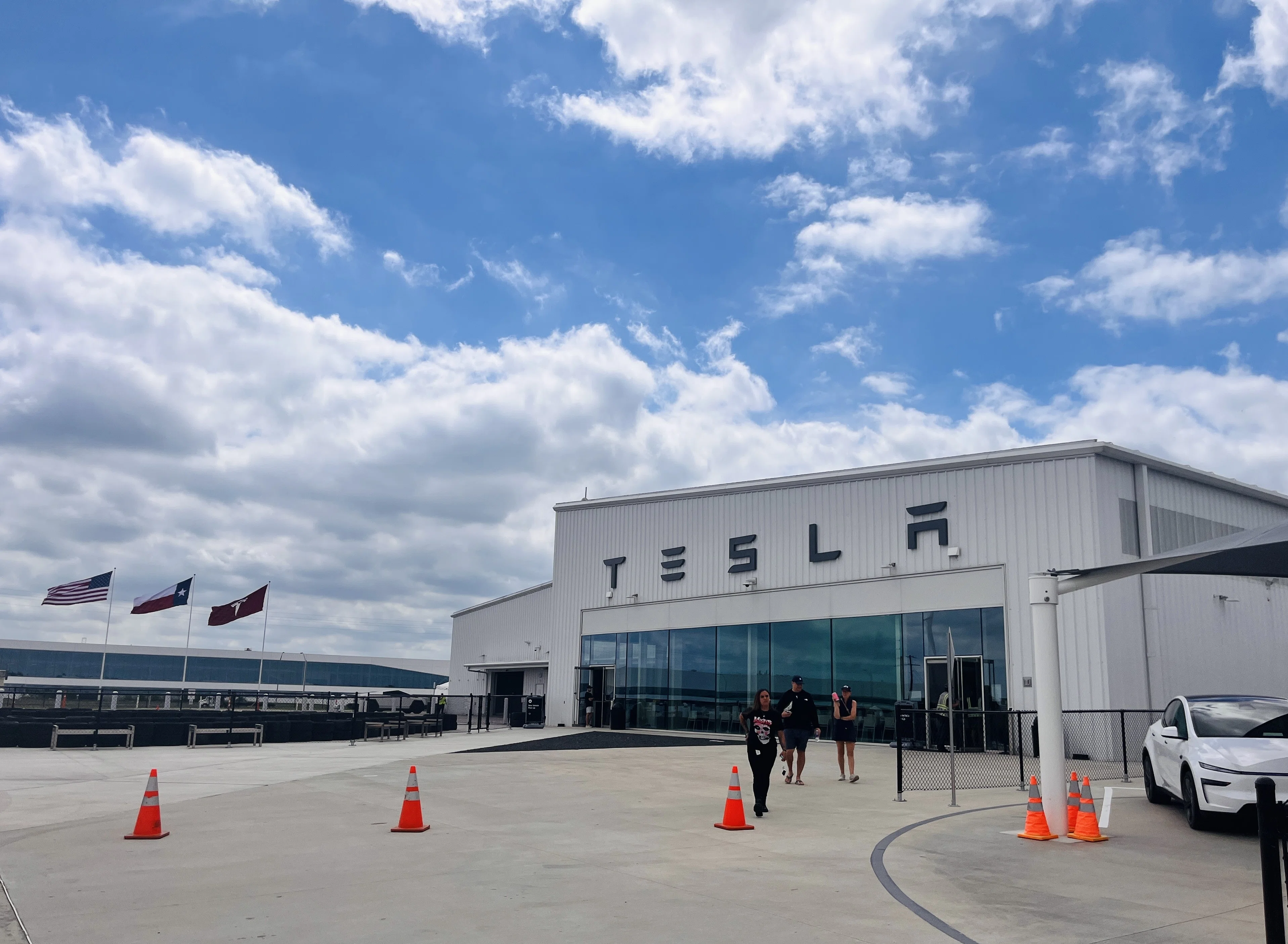
Tesla's global headquarters, "Gigafactory Texas"
What I felt on this road trip is that FSD is not yet self-driving you can leave completely on its own.
Even so, its impact in reducing travel fatigue and changing the quality of long-distance drives is quite significant.
As of May 2026, Tesla offers an FSD subscription service for $99 per month on FSD-compatible models.
About Pathway Connect
Based in Austin, Texas, we provide American market research and local guide services. Our strength lies in delivering real-time research and trend information tailored to local needs.
We offer Tesla FSD ride experience tours.
We can also prepare a customized plan just for you based on the places you want to visit and the food you want to try.
Feel free to contact us!